Hiking
2-Day Mount Toubkal Climb – Hiking in Morocco
Experience: Beginner, Improver, Professional
★ 4.9 (9 reviews)
From £110
Highlights
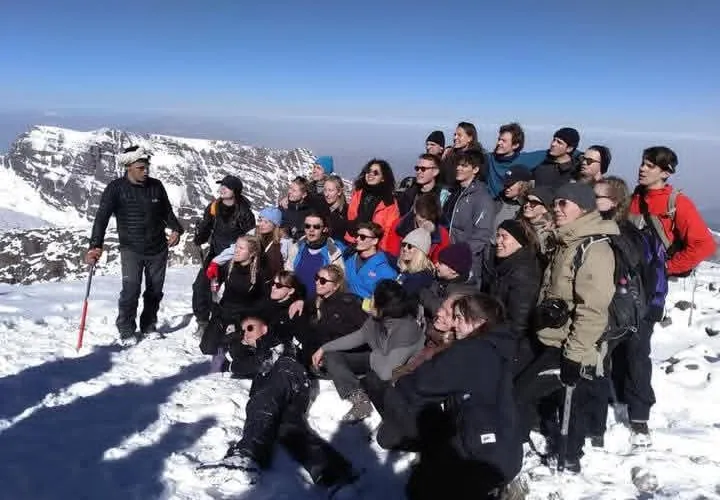
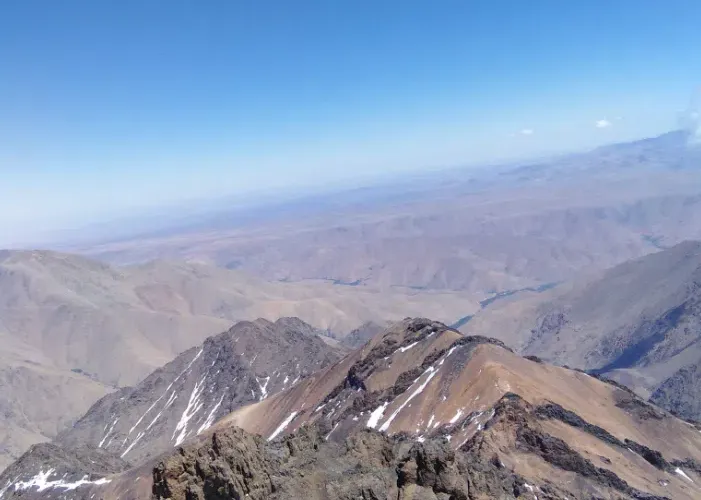
The Mount Toubkal climb is a trekking adventure that takes hikers to the summit of the highest peak in North Africa. This journey spans 2 days and involves a challenging ascent to an elevation of 4,167 meters. Hikers will traverse the gorgeous landscapes of the Atlas Mountains and encounter traditional Berber villages along the way. The climb is demanding but immensely rewarding, requiring a good level of fitness and prior trekking experience.
Key Details
- Duration: 2 days
- Location: High Atlas Mountains, Morocco
- Fitness Level: Moderate to high fitness required
Itinerary
Day 1: Marrakech - Imlil - Refuge du Toubkal
Start your adventure with an early departure from Marrakech towards Imlil (1,745m), the gateway to your trek. The journey begins as you walk through scenic Berber villages, immersing yourself in local culture. Midday, you'll reach the shrine of Sidi Chamharouch (2,350m) where lunch will be served. After a refreshing break, continue your ascent, navigating zigzag paths and passing goat shelters until you arrive at the Refuge du Toubkal (3,207m). This day involves approximately 6 hours of trekking.
Day 2: Toubkal Refuge - Toubkal Summit - Imlil - Marrakech
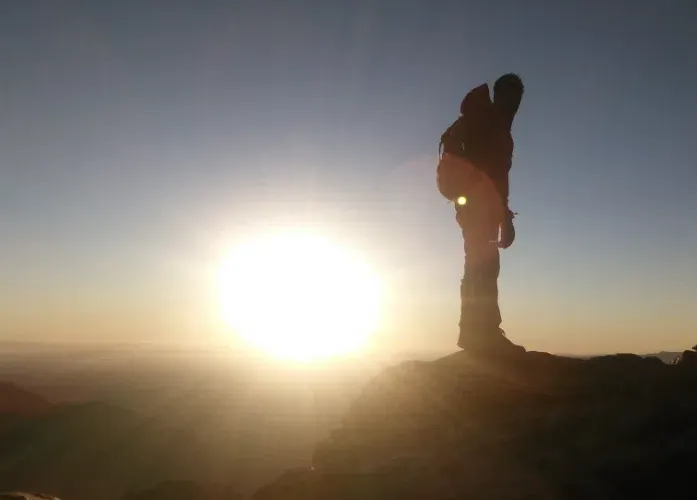
The second day starts early with an ascent to the Toubkal summit, the highest peak in North Africa at 4,167m. Witness the spectacular sunrise and soak in the beautiful views of the Sahara, High Atlas, Anti-Atlas, and various valleys. After reaching the summit, descend through the Toubkal Valley back to Imlil and then transfer to Marrakech. Expect 8 to 9 hours of trekking on this day.
Location
The High Atlas Mountains are centrally located in Morocco, stretching from the Atlantic coast in the west to the Algerian border in the east.
Toubkal, the highest peak, stands at 4,167 meters above sea level. The region is renowned for its scenic beauty, diverse landscapes, and cultural richness.
Prerequisites
Participants should have a moderate to high level of fitness and some prior trekking experience. Acclimatisation to high altitudes is essential due to the elevation.
It is important to be prepared for variable weather conditions and to respect the local Berber culture and traditions.
Why Choose Us
Our team of experienced travel experts is passionate about showcasing the beauty and diversity of Morocco. Founded by friends with a shared love for travel, our agency offers exceptional trekking experiences in Morocco, featuring the renowned Toubkal peak, Berber villages, and valleys.
Morocco is a top destination for adventure seekers, drawing visitors from around the globe to explore its magnificent mountain ranges, rich history, and welcoming communities. We also provide trips to the Sahara Desert, where you can ride a camel to the campsite and experience the serenity of the golden dunes under the stars. Combined tours to Morocco's historical cities can be tailored to your specific needs. An incredible adventure awaits you in Morocco.
What's included
- Round-trip transportation between Marrakech and the trek start point
- Expert English-speaking guide
- Berber cook for meal preparations
- All meals during the trek
- Accommodation in the Atlas Mountains
- Mules and muleteers to carry luggage
What's not included
- Personal expenses
- Travel insurance
- Soft and alcoholic drinks
- Transport to and from the meeting point
- Equipment
FAQs
What level of fitness do I need for the climb?
A moderate to high level of fitness is required for this trek. Participants should be accustomed to long-distance walking and have experience with uphill climbs.
The trek involves approximately 6 hours of hiking on the first day and 8 to 9 hours on the second day, including a steep ascent to the summit.
Regular exercise, including cardiovascular activities and strength training, will help prepare you for the physical demands of this adventure.
What is the best time of year to climb Toubkal?
The ideal times to climb Toubkal are during the spring (April to June) and autumn (September to October) months. During these periods, temperatures are generally mild, and the weather conditions are more stable.
Summer months can be hot, while winter months may bring snow and cold temperatures, making the trek more challenging and requiring additional equipment.
What should I pack for the trek?
It is crucial to pack appropriately for variable weather conditions. Recommended items include:
- Good quality hiking boots
- Warm layers for evenings (fleece or insulated jacket)
- Waterproof jacket and trousers
- Hat and sunglasses for sun protection
- Sunscreen and lip balm
- A headlamp or flashlight for night-time navigation
- A reusable water bottle (at least 2 litres)
- Snacks (such as energy bars)
- A small first aid kit (band-aids, blister treatments, etc.)
Is there a risk of altitude sickness?
Yes, altitude sickness is a concern when trekking at high elevations. The summit of Toubkal is 4,167 meters (13,671 feet) above sea level, which can affect individuals differently.
Symptoms may include headaches, nausea, or dizziness. To mitigate risks, it is advisable to acclimatise gradually, stay hydrated, and report any symptoms to your guide immediately.
Are there any cultural considerations I should be aware of?
Yes, the High Atlas Mountains are home to various Berber communities with their unique customs and traditions. It is essential to show respect for local culture, which includes asking for permission before taking photographs of people or entering their homes.
Additionally, dressing modestly and being courteous in your interactions with locals will enhance your experience and foster goodwill.